
£158.49
Description
Diazepam is one of the most widely prescribed benzodiazepines in the United Kingdom, used primarily for short-term relief of anxiety and seizures. Also it is a remedy for muscle spasms. If you are looking to get diazepam online in the UK then you need to understand the legal framework, and clinical facts. All this information is essential before you place an order. And, of course, you must hold a valid prescription from a qualified healthcare professional. You should only ever purchase from a pharmacy registered with the General Pharmaceutical Council (GPhC). Crossgates Day-And-Night Pharmacy meets all these criteria. Here you can get an online proscription issued by independent UK doctors. This process includes consultation and thorough health check. After placing an order you can expect delivery within 2 working days at your doorstep. Crossgates Day-And-Night Pharmacy is fully compliant with the UK law and boasts excellent inspection outcome.
The rise of online pharmacies has made access to prescription medicines more convenient. It has also created opportunities for unregulated sellers to distribute counterfeit or dangerous products. A warning issued by Cumberland Council highlighted cases of fake diazepam tablets circulating in local communities, reinforcing why due diligence matters. Knowing what to look for protects both your health and your legal standing.
Here we cover what diazepam is used for, who it suits, how to verify a legitimate online pharmacy, correct dosage guidance, side effects, withdrawal risks, and the latest clinical evidence. Every claim is grounded in NHS, NICE, and MHRA guidance so you can make an informed decision.
Key Takeaways
- Diazepam is a prescription-only medicine in the UK, and purchasing it without a valid prescription is both unsafe and illegal.
- Legitimate online pharmacies must be GPhC-registered, display the EU common logo, and carry out a proper clinical consultation before dispensing.
- Short-term use is strongly recommended because dependence can develop within as few as four weeks.
What Diazepam Is Used For
Diazepam belongs to the benzodiazepine class of medicines. It works by enhancing the effect of a neurotransmitter called gamma-aminobutyric acid (GABA) in the brain. It reduces nerve activity and produces a calming effect. Clinicians prescribe it across several distinct conditions, though always for the shortest effective duration.
Anxiety And Acute Distress
Diazepam is most commonly prescribed for the short-term management of severe anxiety or acute psychological distress. According to NICE prescribing guidance for generalised anxiety disorder, it should be used at the lowest effective dose for the shortest possible period, typically no longer than two to four weeks.
You might be offered diazepam when anxiety is disabling, when you are waiting for a longer-term treatment such as cognitive behavioural therapy or an SSRI to take effect, or during a crisis period. It is not intended as a first-line long-term solution. If your GP or prescriber suggests diazepam, they will normally plan a review within a few weeks.
Muscle Spasm And Neurological Symptoms
Diazepam is effective for relieving muscle spasms caused by conditions such as cerebral palsy, spinal cord injuries, or localised musculoskeletal problems. As outlined in the British National Formulary entry for diazepam, it can also be used to manage spasticity associated with neurological disorders.
In these cases, dosages and duration of treatment may differ from those used for anxiety. Your prescriber will tailor the regimen to your specific needs, balancing symptom relief against sedation and dependence risk.
Alcohol Withdrawal And Short-Term Sedation
Diazepam plays a well-established role in medically supervised alcohol withdrawal programmes. It helps prevent potentially life-threatening withdrawal seizures and reduces agitation during detoxification.
It is also used for short-term sedation before medical or dental procedures that may cause significant anxiety. In both scenarios, treatment is closely monitored. Self-medicating with diazepam for alcohol withdrawal is dangerous and should never be attempted without clinical supervision.
Who It May Suit And When It May Not
Diazepam is effective for specific patient groups and conditions, but it carries risks that make it unsuitable for others. Your prescriber will weigh the benefits against potential harms before issuing a prescription. Here at Crossgates Day-And-Night Pharmacy we take your health seriously.
When A Clinician May Consider It
A clinician may consider diazepam when you present with severe, disabling anxiety that has not responded to non-pharmacological interventions, or when rapid symptom control is needed. It may also be appropriate if you are experiencing acute muscle spasms, and seizure clusters. Diazepam is also prescribed for medically managed alcohol withdrawal.
The NHS guidance on who can take diazepam confirms it is generally suitable for most adults aged 18 and over. Children aged one month and older may receive it for specific indications such as muscle spasms or febrile convulsions, typically under specialist supervision.
Medical Conditions Requiring Extra Caution
Diazepam may not be suitable if you have certain pre-existing conditions. As noted by Pharmacy2U’s prescribing information, extra caution is needed for people with:
- Liver or kidney impairment
- A history of substance misuse or addiction
- Severe breathing difficulties, including chronic obstructive pulmonary disease
- Myasthenia gravis
- Severe depression or suicidal thoughts
- Sleep apnoea syndrome
If any of these apply to you, your doctor may choose a different treatment or adjust the dose and monitoring schedule.
Pregnancy, Breastfeeding And Older Adults
Diazepam is generally avoided during pregnancy, particularly in the first trimester, because of potential risks to the developing baby. If taken near delivery, it may cause sedation, and breathing difficulties in the newborn.
It passes into breast milk, so breastfeeding while taking diazepam is not usually recommended. Your prescriber will discuss safer alternatives if you need anxiety treatment during this period.
Older adults are more sensitive to benzodiazepines. They may face a higher risk of falls, confusion, and prolonged sedation. A lower starting dose is standard for people aged 65 and over, with careful, regular review.
How To Assess A Legitimate Online Pharmacy
Purchasing prescription medicines online is legal in the UK, provided the pharmacy is properly regulated and a valid prescription is in place. The challenge lies in telling legitimate services apart from unsafe operators.
UK Regulatory Checks And Prescribing Standards
Every legitimate online pharmacy in the UK must be registered with the General Pharmaceutical Council (GPhC). You can verify registration by searching the GPhC’s online register. Registered pharmacies also display a green and white cross logo that links directly to their GPhC registration details. As you can see, Crossgates Day-And-Night Pharmacy is your perfect choice for safe online shopping.
As UK Meds explains, buying prescription-only medicines online is legal only when a valid prescription has been issued by a qualified healthcare professional after a proper clinical assessment. The pharmacy contracts a registered pharmacist who reviews and approves every order.
Warning Signs Of Unsafe Sellers
Several red flags indicate an unregulated or fraudulent pharmacy:
- No requirement for a prescription or medical questionnaire
- No verifiable GPhC registration number or clickable logo
- Prices significantly lower than other UK pharmacies
- No named pharmacist or superintendent pharmacist listed on the website
- No UK-based contact address or telephone number
- Claims to sell diazepam “without prescription” or “no questions asked”
According to guidance from NowPatient on spotting genuine online pharmacies, the safest approach is to confirm registration independently rather than relying on what a website claims about itself.
Why Prescription Review And Identity Checks Matter
A proper online consultation involves a detailed medical questionnaire and a follow-up phone or video call with a prescriber. This process exists to protect you. As QuickMeds notes, the pharmacy must assess your treatment request and only supply if it is clinically safe and appropriate.
Identity verification ensures the medicine is dispensed to the right person and that your medical history is accurate. Skipping these steps may seem faster, but it exposes you to counterfeit products. incorrect dosages, and dangerous drug interactions.
Dosage, Timing And Safe Use
Getting the dosage right is critical with diazepam. Even at prescribed levels, the margin between therapeutic benefit and unwanted sedation can be narrow.
Typical Strengths And Forms
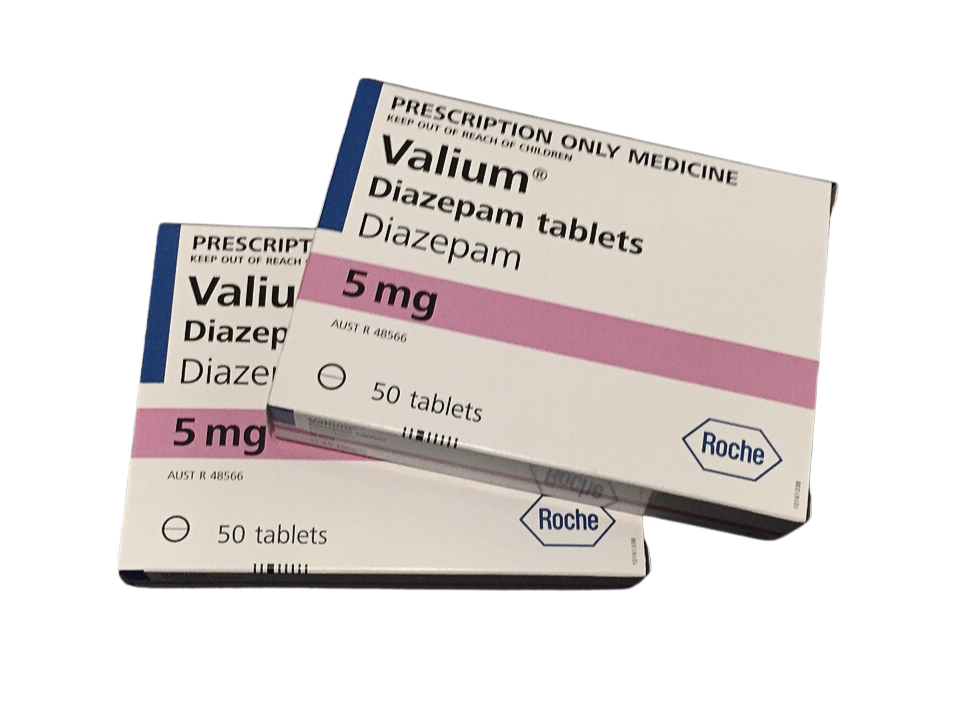
Diazepam tablets are available in three standard strengths: 2 mg, 5 mg, and 10 mg. An oral liquid formulation is also available for those who have difficulty swallowing tablets. Rectal tubes are used for emergency seizure management.
A typical prescription for anxiety in adults starts at 2 mg taken two to three times daily, increasing to 5 mg or 10 mg doses if needed. For muscle spasms, doses may range from 2 mg to 15 mg daily, divided throughout the day. Your prescriber will determine the right dose based on your condition, and age. Your overall health plays significant role too.
Pack sizes in the UK are usually 28 tablets per prescription.
Short-Term Use And Dependence Risk
Diazepam is intended for short-term use only. The Urmston Group Practice prescribing policy highlights that benzodiazepines are addictive and that withdrawal can lead to seizures. Most clinical guidelines recommend a maximum treatment duration of two to four weeks, including the tapering period.
Tolerance can develop quickly, meaning the same dose produces less effect over time. This can lead to dose escalation and physical dependence. If you find yourself needing more to achieve the same relief, speak to your prescriber immediately.
Missed Doses, Alcohol And Driving
If you miss a dose, take it as soon as you remember unless it is nearly time for your next one. Never take a double dose to compensate.
You should not drink alcohol while taking diazepam. Alcohol amplifies the sedative effects and increases the risk of respiratory depression.
Diazepam impairs reaction times, coordination, and concentration. You must not drive or operate heavy machinery until you know how it affects you. UK law treats driving under the influence of benzodiazepines as a criminal offence, even with a valid prescription if your ability to drive is impaired.
Side Effects, Interactions And Withdrawal
Like all medicines, diazepam can cause side effects. Being aware of what to watch for helps you respond quickly and communicate effectively with your prescriber.
Common And Serious Adverse Effects
Common side effects include drowsiness, fatigue, muscle weakness, and impaired coordination. According to the NHS side effects page for diazepam, these are usually mild and settle as your body adjusts.
Less common but more serious effects include:
- Confusion or memory problems
- Paradoxical reactions such as increased anxiety, agitation, or aggression
- Difficulty breathing
- Jaundice (yellowing of the skin or eyes)
- Hallucinations
Seek immediate medical attention if you experience any serious symptoms. Paradoxical reactions are more common in children and older adults.
Medicine And Substance Interactions
Diazepam interacts with a wide range of medicines. The NICE Clinical Knowledge Summary warns that combining it with opioids such as codeine or buprenorphine can cause enhanced sedation, respiratory depression, and even death.
Other important interactions include:
- Antidepressants (SSRIs, tricyclics): increased sedation
- Antipsychotics: heightened central nervous system depression
- Anticonvulsants such as phenytoin: altered blood levels
- Modafinil: may increase diazepam levels in the blood
- Grapefruit juice: can slow the breakdown of diazepam
Always provide your prescriber with a complete list of current medicines, supplements, and recreational substances before starting diazepam.
Tolerance, Dependence And Stopping Safely
Physical and psychological dependence can develop after just a few weeks of regular use. Abruptly stopping diazepam is dangerous and can trigger withdrawal symptoms including seizures, insomnia, tremors, and severe anxiety.
If you have been taking diazepam for more than four weeks, your prescriber should create a gradual dose-reduction plan. Tapering typically involves reducing the dose by small increments over several weeks or months, depending on how long you have been using it and the dose you are on.
Do not attempt to stop diazepam on your own. Medical supervision during withdrawal significantly reduces the risk of complications.
Current Evidence And Trusted Clinical Sources
Staying informed about the evidence base helps you make better decisions about your treatment and have more productive conversations with your healthcare provider.
Recent Research On Effectiveness And Risk
The evidence supporting diazepam for short-term anxiety and muscle spasm relief is well established, with decades of clinical trial data behind it. More recent research has focused on the risks of long-term use, particularly cognitive decline in older adults and the link between prolonged benzodiazepine use and falls-related injuries.
A growing body of literature also examines the public health impact of counterfeit benzodiazepines sold online. These studies consistently show that unregulated tablets may contain incorrect doses, no active ingredient at all, or dangerous adulterants including synthetic opioids.
NHS, NICE And MHRA Guidance
For prescribing decisions, the most authoritative UK resources are:
- The NHS diazepam medicines guide, which covers who can and cannot take the medicine
- The British National Formulary (BNF), which provides detailed dosing, interactions, and contraindications
- NICE Clinical Knowledge Summaries, which offer condition-specific prescribing information
- The MHRA, which monitors drug safety and issues alerts about counterfeit products
These resources are freely available online and regularly updated.
How To Reference Evidence Responsibly
When researching diazepam, prioritise peer-reviewed journals, NHS resources over social media, or unregulated pharmacy websites. Patient information leaflets supplied with your medication, such as the official PIL for diazepam tablets, are also reliable references.
Be cautious of websites that make bold claims about diazepam without citing clinical evidence. Trustworthy information will always reference published guidelines or peer-reviewed data, and it will never encourage you to bypass a prescription.
Frequently Asked Questions
Do I need a prescription to purchase diazepam from a UK pharmacy?
Yes. Diazepam is classified as a prescription-only medicine (POM) and a Class C controlled substance under UK law. You cannot legally obtain it from any pharmacy, whether online or on the high street, without a valid prescription issued by a registered prescriber.
How can I verify that an online pharmacy is UK-registered and legitimate?
Check the GPhC online register to confirm the pharmacy’s registration status. Legitimate pharmacies display a clickable GPhC logo on their website that links directly to their registration entry. You should also look for a named superintendent pharmacist and a UK contact address.
What strengths and pack sizes are typically available for diazepam on prescription?
Diazepam tablets are available in 2 mg, 5 mg, and 10 mg strengths. The standard pack size is 28 tablets. An oral solution and rectal tubes are also available for specific clinical needs. Your prescriber will select the appropriate strength and quantity based on your condition.
What are the delivery options, timescales and packaging standards for UK pharmacy orders?
Most registered UK online pharmacies offer next-day delivery, with some providing same-day dispatch in certain areas. Medicines are sent in plain, discreet packaging that does not identify the contents. Your order should arrive with a patient information leaflet and clear labelling showing the dispensing pharmacy’s details.
What are the risks and side effects to be aware of before taking diazepam?
Common side effects include drowsiness, muscle weakness, and impaired coordination. More serious risks include respiratory depression, dependence, and paradoxical reactions such as increased agitation. The risk of dependence increases significantly with use beyond four weeks.
Are there legal consequences for importing diazepam from outside the UK?
Yes. Importing a controlled substance like diazepam without the proper licences is a criminal offence under the Misuse of Drugs Act 1971. Penalties can include prosecution, fines, and imprisonment. Packages containing controlled drugs may be seized by UK Border Force, and you could face investigation even if the quantity is small.
This article has been writted and medically reviewed by Abel Kubare, the superintendent of Crossgates Day-And-Night Pharmacy